Bubble Valentine: The Handwritten Font That Feels Like a Hug
You know that feeling when you find a font that just clicks? That moment when the letters on your screen suddenly feel less like digital shapes and more like actual handwriting from someone who genuinely cares? That's the magic of Bubble Valentine. It's not just another script typeface floating around in a sea of design assets—it's the kind of font that makes people pause mid-scroll, tilt their heads, and think, "Oh, that's lovely." Whether you're piecing together wedding stationery, building a brand identity for a small bakery, or crafting social media posts that need a personal touch, this handwritten display font brings something rare to the table: authenticity without pretension.
What Makes This Handwritten Font Stand Out
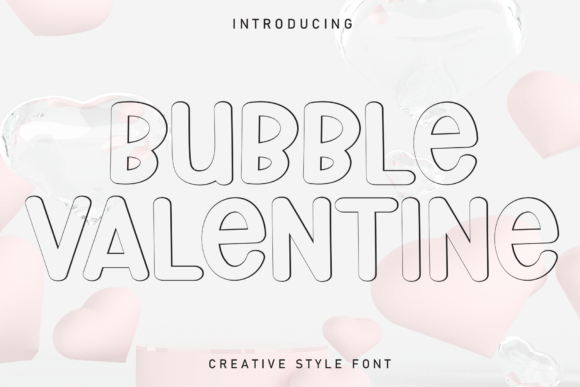
Plenty of fonts claim to be "playful" or "friendly," but Bubble Valentine actually delivers on that promise. The letterforms have a gentle, rounded quality that feels approachable without crossing into childish territory. There's a natural rhythm to the strokes—slight variations in thickness, subtle imperfections that mimic real pen on paper—that give it warmth. It's the typographic equivalent of a handwritten note slipped into a gift bag.
From a practical standpoint, the font strikes a useful balance. It's expressive enough to carry personality in a logo or headline, yet legible enough for shorter blocks of text on invitations or packaging. The "Sweet Scribbles" style, in particular, nails that tender, hand-lettered aesthetic that so many designers chase but few fonts actually achieve. The curves are soft, the connections between letters feel organic, and the overall impression is one of sincerity rather than slickness.
For anyone working in brand identity or logo design, this matters more than you might think. A font that looks too polished can feel corporate and distant. One that's too rough can seem amateurish. Bubble Valentine sits in that sweet spot where personality meets professionalism—exactly where small businesses, creative entrepreneurs, and independent brands tend to thrive.
Real Projects Where This Typeface Shines
Let's talk specifics, because vague font recommendations rarely help anyone make a decision. Here's where Bubble Valentine genuinely earns its place in a designer's toolkit:
- Wedding invitations and event stationery — This is arguably its natural habitat. The handwritten quality adds intimacy to save-the-dates, RSVP cards, and ceremony programs without sacrificing elegance.
- Packaging design — Think artisanal candles, homemade jams, small-batch skincare. A handwritten font on a label signals craft, care, and small-scale production—exactly what consumers associate with quality in those categories.
- Social media graphics — Instagram stories, quote posts, Pinterest pins, and Facebook headers all benefit from typefaces that feel human rather than algorithmic. Bubble Valentine cuts through the visual noise of templated content.
- Blog headers and editorial layouts — If you run a lifestyle blog, a food blog, or any publication that leans personal, using a script font like this for pull quotes or section headers adds visual variety and emotional texture.
- Website design — Sparingly, of course. A handwritten display font works beautifully for hero text, call-to-action buttons, or accent elements on landing pages—places where you want to inject personality without compromising the site's overall readability.
- Print materials — Business cards, thank-you notes, loyalty cards, and brochures for creative service providers all benefit from a typeface that communicates approachability.
- Digital products — If you sell planners, worksheets, e-books, or templates on platforms like Etsy or Gumroad, a premium font like Bubble Valentine can elevate your product's perceived value significantly.
- Merchandise — Tote bags, mugs, stickers, and greeting cards designed for print-on-demand shops often rely on strong typography to stand out. A creative font with genuine character can be the difference between a product that sells and one that sits unnoticed.
Pairing Bubble Valentine With Other Typefaces
No font exists in isolation, and that's especially true with display fonts and script fonts. Bubble Valentine is expressive—use it everywhere, and your design risks feeling cluttered or hard to read. The key is pairing it with something more restrained.
A clean sans serif font makes an excellent companion. Think Montserrat, Lato, or Open Sans for body text and supporting copy. The contrast between the organic, hand-drawn quality of Bubble Valentine and the geometric precision of a modern sans serif creates visual tension that keeps designs interesting. For a softer pairing, a transitional serif font like Lora or Merriweather can complement the warmth of the handwritten style without competing for attention.
Here's a practical tip: set your headline or feature text in Bubble Valentine, then use your secondary typeface for everything else. This hierarchy not only improves visual consistency across a project but also ensures that the handwritten elements feel intentional rather than accidental. When every font on the page is trying to be the star, the result is usually chaos. When one typeface leads and others support, the whole design sings.
Readability, Licensing, and Making Smart Choices
A quick reality check on readability: handwritten fonts like Bubble Valentine are best used at larger sizes. At 12-point body text on a dense webpage, even the most beautiful script font becomes an obstacle. At 36-point or above in a headline, it becomes a feature. Know the difference, and your audience will thank you.
Before committing to any commercial font, always review the licensing terms. Can you use it in client work? On products for sale? In digital downloads? Most premium fonts come with clear licensing, but it's worth confirming before you build an entire brand identity around a typeface you might not have full rights to use commercially. This is especially relevant for designers working with multiple clients or small business owners selling physical and digital products.
Also, take a few minutes to explore what's included with the font family. Some versions of Bubble Valentine may include alternate characters, ligatures, or stylistic sets that unlock additional design possibilities. Testing these variations in your actual project—rather than just previewing them in a font viewer—often reveals options you didn't expect.
Ultimately, choosing a typeface is less about finding the "best" font and more about finding the right one for a specific job. Bubble Valentine isn't the answer to every design challenge, and that's fine. What it does well—communicating warmth, sincerity, and handcrafted charm—it does exceptionally well. For the baker building a brand, the bride designing her own invitations, the blogger refreshing their visual identity, or the marketer creating assets that need to feel genuinely human, this handwritten font offers real, practical value. And in a design landscape crowded with sterile, interchangeable typefaces, that kind of personality is worth holding onto.